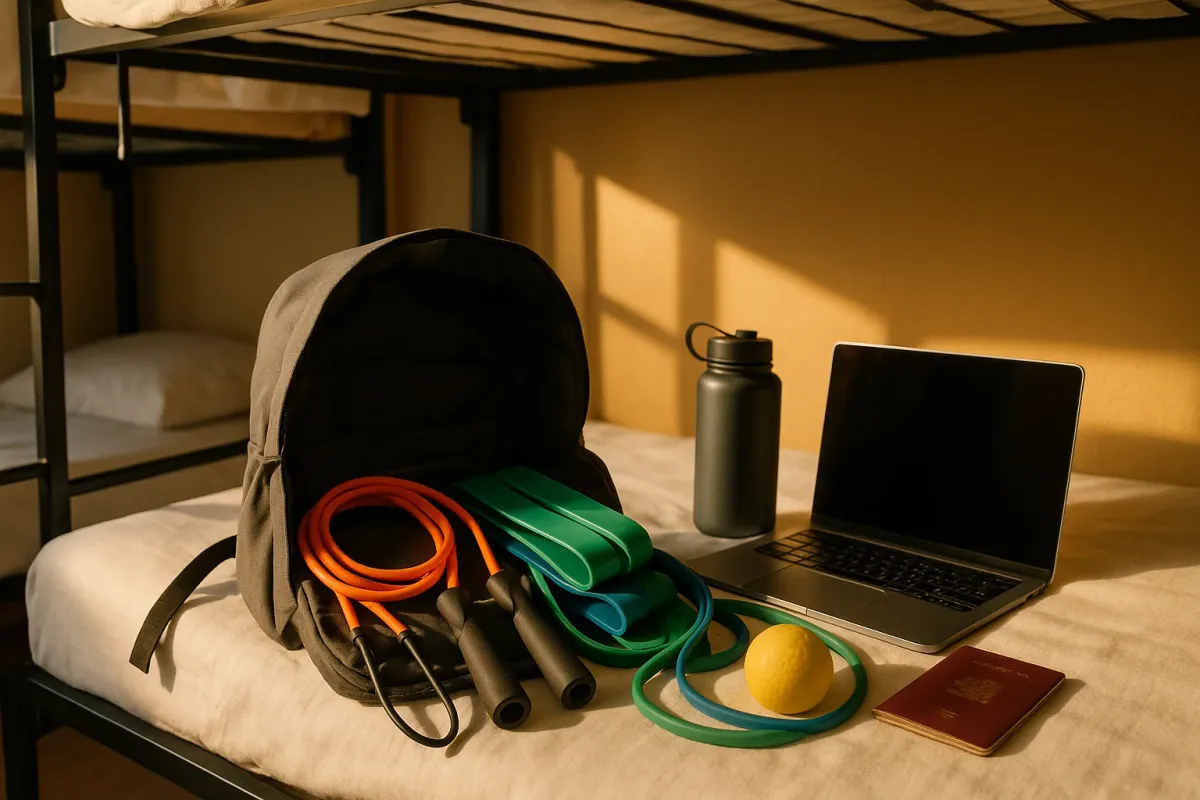
Turns out the Internet’s latest obsession with “20 Toys Under $20 That Look Way More Expensive And Fun Than They Actually Are” isn’t just a parenting hack—it’s a secret weapon for anyone living out of a backpack. As holiday shopping lists explode and budget gift guides go viral, there’s a quiet win here for travelers and digital nomads: a whole wave of cheap, playful gear that doubles as portable workout tools.
While parents are filling carts, you can fill your daypack with ultra-light, TSA‑friendly “toys” that keep your body moving between flights, calls, and overnight buses. With online lists exploding on social media and #under20 and #giftguide trending again this season, it’s the perfect moment to rethink what “fitness equipment” actually looks like on the road.
Below are 5 practical, adventure‑ready fitness tips built around this under‑$20, toy‑inspired trend—designed specifically for travelers, remote workers, and full‑time nomads.
Turn “Kids’ Balls” Into Your Mobile Mobility Kit
Those cheap rubber playground balls and mini soccer balls popping up in every under‑$20 gift guide are basically mobility gold in disguise. Toss a small, firm ball into your backpack and you’ve got a rolling tool for tight calves after long-haul flights, a back‑release buddy for 8‑hour coworking marathons, and a surprisingly good piece of core gear. Use it against a wall in your Airbnb to roll out your upper back and shoulders, or sit on it to release glutes after overnight buses. On a beach or in a park, that same ball becomes an anchor for plank variations (feet elevated) or hamstring curls (heels on the ball, hips lifted). The best part: it weighs almost nothing and looks like you’re just carrying around a toy—no one blinks at it in airports, hostels, or cafes.
Resistance Bands Disguised As “Fun Gifts”
Scroll any current “toys under $20” roundup and you’ll see stretch bands, jump ropes, and even pull‑apart rings marketed as fun, active gifts. For a nomad, these are your entire gym in a sandwich bag. Pack a light and a medium resistance band, and you can hit back, chest, legs, and glutes anywhere from a hostel rooftop to a bus stop. Loop a band around a sturdy bed frame or park bench for rows and presses; step on it for squats and deadlifts. Pair it with a jump rope for short, brutal conditioning blocks between meetings: 30 seconds of jumping, 30 seconds of band squats, repeat for 8 minutes. Look for “kid” or “family” packs in current sales—same product, often cheaper, and still perfectly strong for adult workouts.
Jump Ropes: The Airport‑Gate Engine
As budget “toy” guides blow up, jump ropes are trending again as low‑cost, high‑fun gifts—and they’re arguably the best nomad cardio tool ever invented. A rope coils into a corner of your carry‑on yet can spike your heart rate in 60 seconds flat. Waiting for a late train or a delayed flight? A 5–10 minute interval session in a quiet corner beats doom‑scrolling and keeps your legs from stiffening up. On workdays, rope intervals between deep‑focus blocks wake up your brain and reset your posture after laptop hunch. Go for adjustable ropes (often pushed as kid‑friendly right now) so you can dial in your length, and choose a basic PVC cable—cheaper, durable, and less likely to shred rough hostel floors.
“Fidget” Toys As Posture And Grip Training
Gift lists this season are flooded with fidget cubes, stress balls, and squeeze toys under $20—perfect stocking stuffers, but also surprisingly useful micro‑training tools for nomads chained to laptops. A simple stress ball becomes grip‑strength work while you answer emails, which pays off on actual adventures: carrying bags up guesthouse stairs, hanging from monkey bars in a random city park, or gripping wet rocks on a coastal scramble. Fidget sticks or balance boards marketed for kids can live under your desk, forcing tiny stabilizing muscles in your feet, ankles, and hips to stay awake during calls. Over time, this kind of “background training” does more for your travel‑proof posture and joint health than the occasional heroic hotel‑gym session.
Pack “Play” Into Your Day: Games As Stealth Conditioning
A lot of the under‑$20 toy craze is about quick, easy fun: frisbees, hacky sacks, ring toss sets, foam darts. For digital nomads, these aren’t just distractions; they’re opportunities for social, low‑pressure conditioning on the road. A frisbee in your bag means instant sprint and reaction drills with new friends on a beach in Lisbon or a park in Medellín. A hacky sack turns hostel courtyards into ankle‑mobility and balance sessions disguised as games. Even a set of lightweight foam darts can morph into a “hit the target, then 10 squats” challenge with your travel crew. The trick is to treat play as part of your training plan—ten minutes of chase, jump, and throw between work blocks keeps your nervous system sharp, your mood high, and your body reminded it’s made for more than spreadsheets.
Conclusion
Right now, as budget toy and gift guides surge across the web, travelers have a rare advantage: the market is quietly handing you portable, playful fitness gear that slips into any backpack and breezes through airport security—usually for less than the price of airport coffee. Lean into the trend. Shop the “fun stuff” with a nomad’s eye, repurpose it with intention, and your health stops depending on hotel gyms, perfect schedules, or ideal weather.
On the road, the strongest travelers aren’t the ones carrying the heaviest weights—they’re the ones who know how to turn whatever’s in their bag into movement. This season, that just happens to be the world’s cheapest “toys.”
Key Takeaway
The most important thing to remember from this article is that this information can change how you think about Nomad Health.