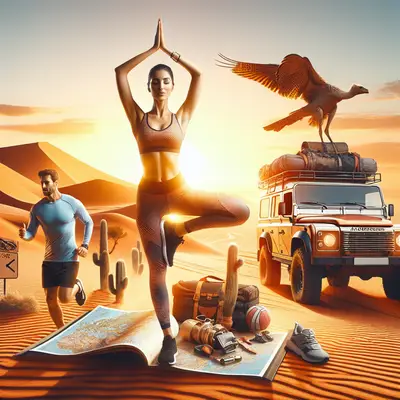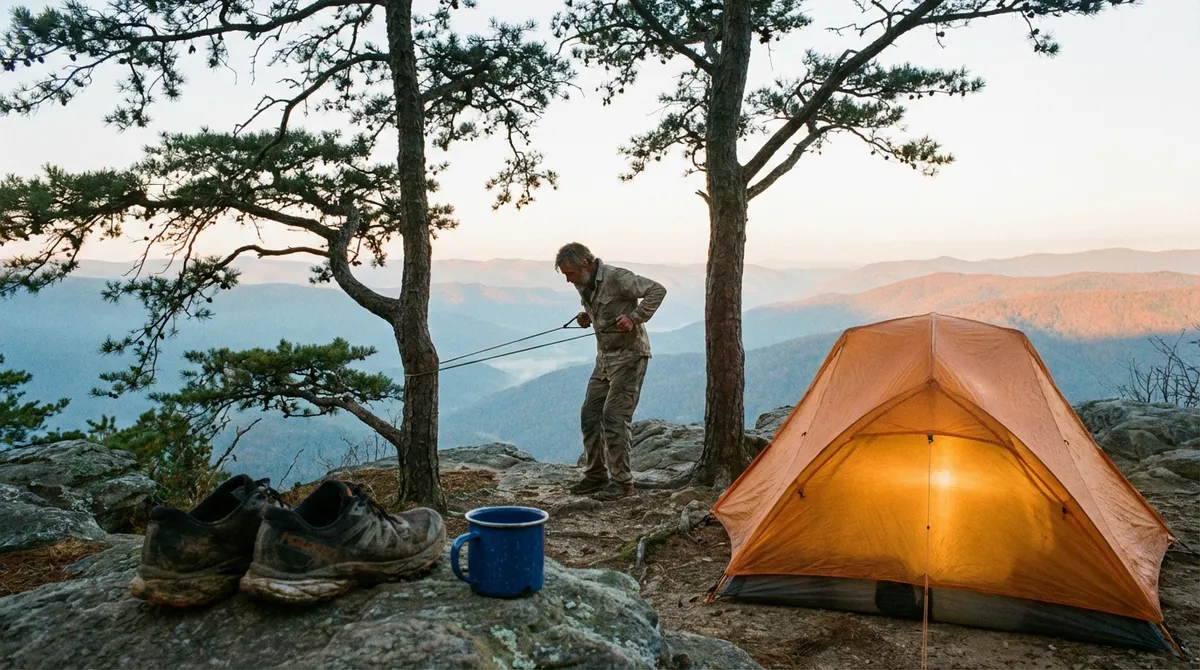
Your “address” is a flight number, a bus ticket, or a GPS pin. Sunrises blur across time zones, and your office is wherever the Wi‑Fi connects. But your body still has one job: carry you through all of it. Nomad health isn’t about six-pack selfies—it’s about having enough energy to say “yes” to the long hikes, surprise street-food tours, and 4 a.m. buses that define life on the move.
This guide is your portable playbook: five field-tested fitness tips built for backpacks, boarding gates, and border crossings—no full-size gym required.
Build a Daily “Anchor Ritual” Wherever You Land
Constant movement wrecks normal routines. The fix isn’t a full training plan—it’s a simple, repeatable anchor you can drop in any time zone.
Pick a short, non-negotiable ritual you can perform in a hostel dorm, airport lounge, or roadside guesthouse. The magic is consistency, not complexity.
A sample 8–10 minute anchor:
- 2 minutes: brisk marching or jogging in place
- 1 minute: squats
- 1 minute: wall push-ups or incline push-ups on a bed frame
- 1 minute: glute bridges on the floor
- 1 minute: plank (front or side)
- 2–4 minutes: slow stretching (hamstrings, hip flexors, chest)
Do it right after waking or after brushing your teeth—tie it to something that always happens, even on travel days. This “anchor” tells your body, “We move, no matter where we are.”
When things go sideways—missed flights, overnight buses, tight deadlines—your ritual becomes your minimum viable workout. If everything else falls apart, you still moved.
Make Your Backpack a Portable Gym
You don’t need a squat rack if you’re already carrying one on your shoulders.
Turn what you’re already hauling into resistance:
- Backpack rows
Load your bag with clothes, a laptop, or water bottles. Hinge at the hips, hold the straps, and row the bag toward your ribs. Great for upper back and posture.
- Backpack front squats
Hug the bag to your chest and squat. Focus on slow, controlled reps. This mimics a goblet squat without a kettlebell.
- Suitcase carries
Grab your heaviest bag in one hand and walk in a straight line, standing tall. Switch hands. This lights up your grip, core, and shoulders—perfect “farmer’s walk” substitute.
- Stair climbs with load
Grab your bag, find a staircase in your hostel, hotel, or station, and walk up and down at a steady pace. Instant hill workout when the landscape is flat.
The key is stability and control: no jerking, no swinging wildly in crowded spaces. You’re training for real-world strength: hoisting bags into overhead bins, hiking with a pack, or carrying groceries across a foreign city.
Turn Transit Time Into “Micro-Training” Sessions
Travel days don’t have to be write-offs. They’re actually perfect for bite-sized movement.
Think of your day in 5-minute pockets instead of 1-hour gym blocks:
- Airport / station:
Walk laps instead of sitting at the gate. Do wall push-ups near a quiet corner. Practice calf raises while you read your boarding pass.
- Bus or train stops:
Use rest stops to do 10 squats, 10 lunges each leg, and 10 standing hip circles. It keeps your hips from turning into stone during long rides.
- In-flight / long rides:
Ankle circles, seated marches, glute squeezes, and gentle neck stretches help circulation and reduce stiffness. It’s not a workout, but it keeps your body “online.”
You’re not chasing sweat every time—just breaking up immobility. Those micro-sessions stack up. By the end of the day, you might have 30 minutes of movement without ever “going to work out.”
This approach also supports circulation and joint health during long-haul trips, which is crucial when you’re regularly clocking double-digit hours in transit.
Use Bodyweight Circuits That Fit in a Single Yoga Mat
If you can lie down on the floor, you’ve got enough space for a full session.
Create a travel circuit you can repeat in any country, in almost any room:
Perform 30–40 seconds of each exercise, then rest 20–30 seconds. Cycle through 3–5 rounds depending on your time and energy.
- Squats or split squats
- Incline push-ups (bed frame, counter, desk)
- Glute bridges or single-leg glute bridges
- Reverse lunges or step-back lunges
- Plank shoulder taps or side planks
- Supermans (lying on your stomach, lifting chest + legs gently)
Adjust intensity based on your surroundings. Quiet hostel dorm? Go slower and more controlled. Private room? Add speed or extra rounds. Rooftop? Throw in a few burpees and enjoy the skyline.
Bodyweight training isn’t second-class; research consistently shows it can improve strength, endurance, and mobility when done with good technique and progressive challenge (more reps, slower tempo, harder variations).
If you want one optional piece of gear: a lightweight resistance band or loop can live in your backpack and massively expand your options for rows, pull-aparts, and hip work—without adding real weight.
Train Your Energy, Not Just Your Muscles
Nomad health is as much about stamina and recovery as it is about strength. The best setup is simple enough that you’ll actually stick to it, even when you’re jet-lagged or Wi‑Fi hunting in a new city.
A practical framework:
- Choose a primary focus for the day
- “Move strong” = strength/bodyweight circuit
- “Move light” = walking, easy mobility, stretching
- “Move fast” = short, intense intervals (e.g., 6–8 rounds of 20 seconds fast, 40 seconds easy with jogging in place or stairs)
- Walk like it matters
You’re already exploring—let it count. Aim for regular walking on most days. It’s one of the simplest ways to support cardiovascular health, mood, and weight management, especially when your diet is unpredictable on the road.
- Respect jet lag and sleep debt
On days when your sleep is trashed from overnight travel, drop intensity. Focus on gentle movement, daylight exposure, and going to bed on local time. Pushing too hard when exhausted can backfire and make it harder to adapt.
- Protect your joints
Warm up with a few minutes of light movement and joint circles (ankles, hips, shoulders) before any harder effort. Your body is dealing with new beds, weird chairs, and long transit—help it out.
Gradually, your body becomes your main “piece of equipment.” The payoff: you’ll have the stamina to say yes to last-minute volcano treks, urban walking marathons, and all the strange adventures your next destination throws at you.
Conclusion
You don’t need a home gym, a perfect schedule, or a stable address to stay strong on the road. You just need portable habits: an anchor ritual you can drop in any time zone, a backpack that doubles as a barbell, micro-movements baked into travel days, and circuits that fit in the space of a hostel mattress.
Nomad health isn’t about perfection—it’s about being adventure-ready, again and again. Build these small, rugged routines, and your body will keep showing up for the wild life you’re chasing.
Sources
- [U.S. Department of Health & Human Services – Physical Activity Guidelines](https://health.gov/paguidelines) – Evidence-based recommendations on weekly activity levels for adults
- [Mayo Clinic – Walking: Trim your waistline, improve your health](https://www.mayoclinic.org/healthy-lifestyle/fitness/in-depth/walking/art-20046261) – Overview of how regular walking supports cardiovascular health and weight management
- [Harvard Health Publishing – The benefits of body-weight training](https://www.health.harvard.edu/staying-healthy/the-benefits-of-body-weight-training) – Explains how bodyweight exercise can improve strength and fitness without equipment
- [Centers for Disease Control and Prevention – Travel: Staying Healthy During Travel](https://www.cdc.gov/travel/page/stay-healthy-during-travel) – General advice on maintaining health and mobility during trips
- [Johns Hopkins Medicine – Sleep and Health](https://www.hopkinsmedicine.org/health/wellness-and-prevention/the-connection-between-sleep-and-health) – Details how sleep impacts energy, recovery, and overall health
Key Takeaway
The most important thing to remember from this article is that this information can change how you think about Nomad Health.