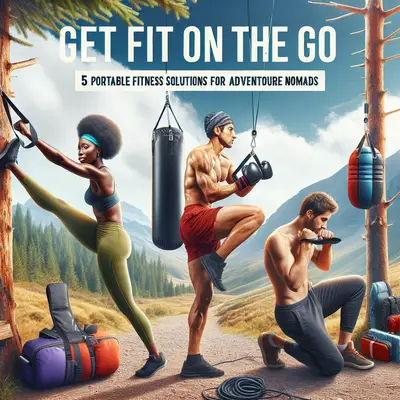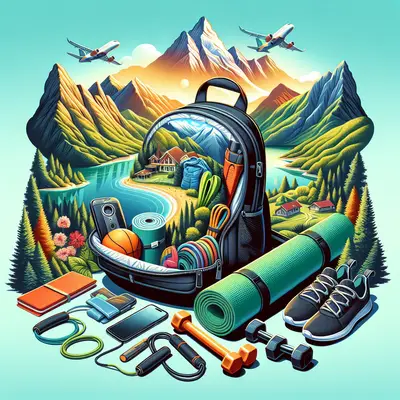
If the internet is losing its mind over toys under $20 that “look way more expensive and fun than they actually are,” there’s a lesson hidden in all that plastic and glitter: you don’t need big, flashy, or pricey gear to unlock serious fun—or serious fitness—on the road. That viral Bored Panda roundup of budget toys is basically the same energy you should bring to your travel workout kit: compact, cheap, and way more capable than they look.
While parents are snapping up under-$20 toys for their kids, travelers and digital nomads can steal the same playbook. Smart, portable equipment doesn’t just save space in your pack; it turns hotel rooms, train platforms, and beach sunsets into legit training grounds. Below, we’ll break down ultralight gear and concrete tactics so you can build a “toy box” of fitness tools that hits much harder than the price tag.
Resistance Bands: The “Under $20 Toy” Your Muscles Won’t Laugh At
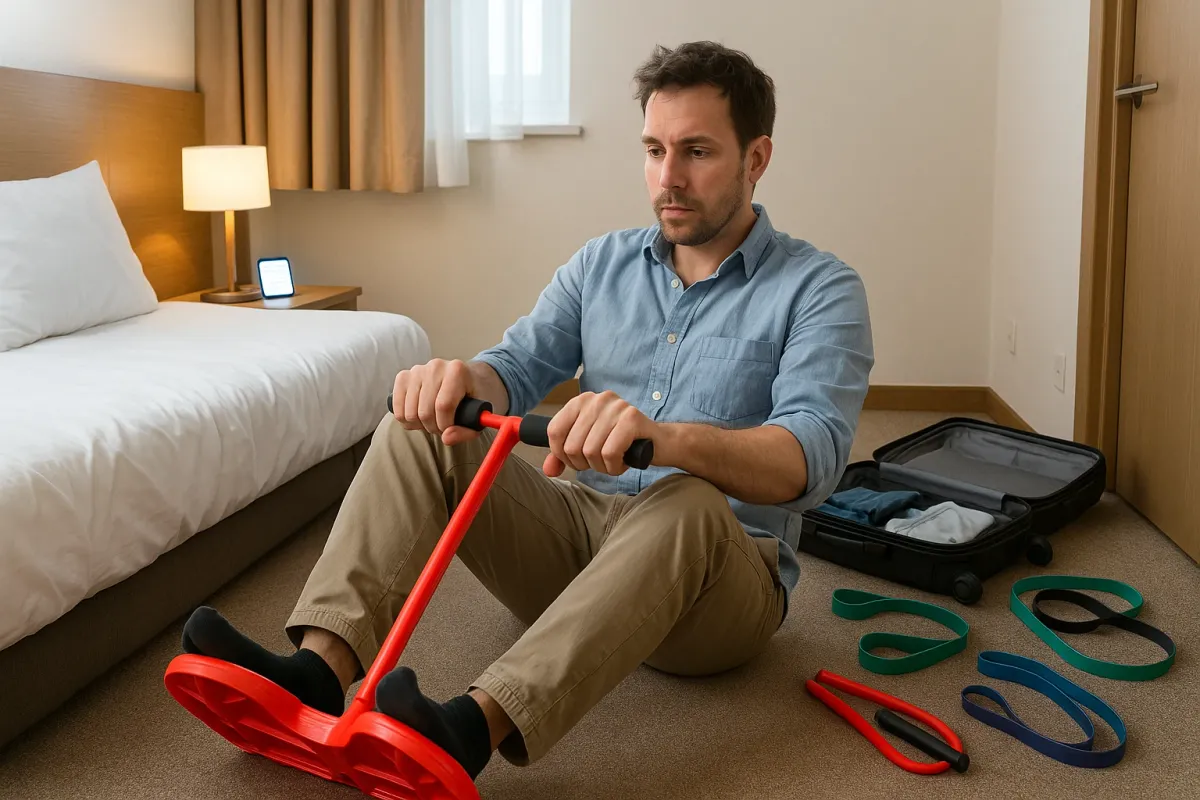
If you’ve ever watched a kid ignore the big fancy toy and obsess over the slingshot or yo-yo that cost a few bucks, that’s the same vibe resistance bands bring to travel fitness. Many brands (like Fit Simplify or Theraband) sell full loop-band sets under $20 that weigh almost nothing and disappear into your carry-on. But don’t let the price or size fool you—properly used, bands can torch your legs, back, chest, and shoulders.
Bands shine on the road because they turn any tiny Airbnb into a functional gym. Loop them around a door, a bedframe, or even your own foot, and you can hit rows, presses, pull-aparts, glute bridges, lateral walks, and face pulls. Change resistance by simply doubling the band or shortening your grip, instead of hunting for heavy dumbbells. They’re also airport-security friendly and easy to replace if you snap one in a random city. Think of them as the “action figure” of your pack: small, rugged, and ready for chaos.
Travel Tip 1 – “10-Minute Check-In Circuit”
Right after you check into a hotel or hostel, do this 10-minute band session before you even open your laptop:
- 15 band squats
- 12 band rows (anchored around a door handle or post)
- 12 band chest presses (back to the door, press forward)
- 15 band pull-aparts
- 12 band deadlifts
Cycle through for 2–3 rounds with minimal rest. You’ll shake off travel stiffness and anchor movement into your day before digital chaos takes over.
Jump Rope: Turning Any Sidewalk Into A Cardio Playground
Just as those viral budget toys deliver high-energy fun without batteries, a simple jump rope delivers serious conditioning without a treadmill in sight. Boxers have known this forever, and it’s finally catching on with minimalist travelers: a $10–$20 speed rope can replace an entire hotel gym’s worth of cardio equipment. Brands like Crossrope, Rogue, or even generic speed ropes on Amazon fit easily into your daypack and weigh about as much as a pair of socks.
The real win on the road? Flexibility. You can jump on a hotel rooftop at sunrise, under a hostel awning in the rain, or in a parking lot while your laundry spins. It’s low-tech, high-output, and deeply portable. Plus, it scales: if you’re gassed after 30 seconds, perfect—that’s your starting point. If you’re nailing 10 minutes straight, try single-leg jumps, high knees, or intervals. Just make sure you’re not under a low ceiling fan unless you want “decapitated light fixture” to be part of your travel story.
Travel Tip 2 – “Jet Lag Shockwave”
When you land in a new time zone and your brain feels like airport Wi-Fi, hit this simple rope protocol:
- 30 seconds jump rope
- 30 seconds rest
Repeat 10–15 rounds. It’s short, sharp, and enough to reset your body clock, spike your heart rate, and help you actually sleep when local bedtime rolls around.
Mini Massage Ball: The Recovery “Toy” That Saves Your Travel Legs
That Bored Panda piece on surprisingly fun cheap toys indirectly nails another point: small doesn’t mean trivial. A $10 lacrosse or massage ball might be the least sexy object in your pack, but if you travel hard—overnight buses, long-haul flights, daylong city walks—it quickly becomes your MVP. Companies like TriggerPoint and Theragun now sell mini balls explicitly for travel, but honestly, any dense ball does the trick.
The magic is in how it undoes the damage of cramped seats and marathon laptop sessions. Roll under your feet after a day of wandering cobblestones. Pin it between your back and a wall to attack knots in your traps and mid-back. Sit on it to release brutal hip tightness from long flights. Unlike big foam rollers, a ball fits in your pocket and targets problem spots with sniper-level precision. Think of it as your personal “reset button” you can deploy in an airport corner or hostel hallway without a full stretch routine.
Travel Tip 3 – “Nightly 5-Minute Reset”
Before bed, pick three tight areas and spend about a minute each:
- Bottom of each foot (1 minute per side)
- One stubborn hotspot in the hips or glutes (1 minute)
- One spot in your upper back or shoulders (1 minute)
You’ll sleep deeper, wake up less creaky, and be more willing to actually carry your pack instead of dragging it like a defeated mule.
Packable Suspension Trainer: Your Portable Doorway Jungle Gym
Kids love toys they can hang, swing, and climb on; adults just pretend we’re above it. A packable suspension trainer (like TRX GO, Monkii, or budget Amazon alternatives) is the grown-up version of a playground that fits in your backpack. It’s not quite “under $20,” but it hits the same principle those viral toy lists celebrate: enormous versatility from a tiny footprint.
On the road, a suspension trainer turns any sturdy door, tree branch, or railing into a full-body gym. You control intensity by simply changing your body angle—walk your feet further forward for more difficulty, step back to dial it down. Think rows, push-ups, Bulgarian split squats, lunges, fallouts, atomic push-ups, and more, all with one strap-based system. It’s ideal for hostels with no gym, Airbnbs with no floor space, and beach spots where you can rig to a palm tree and train with a ridiculous view.
Travel Tip 4 – “Remote Work Lunch Raid”
Instead of doomscrolling during lunch as a digital nomad, hit a 15–20 minute suspension session:
- 10 rows
- 10 push-ups (hands in handles)
- 10 single-leg split squats per leg
- 10 hip hinges (face away, lean and pull back to stand)
- 20-second plank in the straps
Run through 3–4 rounds. You’ll return to your laptop sharper, with better posture than when you left it.
Smartphone + Timer App: The Ultimate Zero-Weight Training Partner
Kids turn cardboard boxes into spaceships; travelers can turn their phones into personal trainers. That trending “toys under $20” list is all about creativity, not cost—and that’s exactly how you should treat your smartphone for fitness. With free or cheap timer apps (Seconds, Tabata Timer, or even your native clock), plus offline downloadable workouts and maps, your phone becomes the most powerful piece of portable equipment you own—without adding a gram to your luggage.
Instead of hunting for a perfect gym, use whatever’s in front of you: stairs, benches, open floor, a quiet corner by your gate. Your phone keeps you honest with intervals, logs your steps, tracks your sleep, and stores simple routines you can run anywhere. The trick is to pre-load what you need before you hit bad Wi-Fi zones: playlists, timer presets, and a few go-to bodyweight circuits so you’re never “stuck” waiting for a signal.
Travel Tip 5 – “Anywhere Core-On-Tour AMRAP”
Set a 12-minute countdown on your timer app. Cycle through these moves as many rounds as possible (AMRAP):
- 10 squats
- 8 push-ups (elevate hands on a bed or bench if needed)
- 10 alternating reverse lunges
- 20-second plank
Log your round count in your notes. Next time you’re in a new city with the same 12 minutes, try to beat your previous score. Your passport fills with stamps; your training log fills with tiny personal records.
Conclusion
That viral “20 toys under $20” article isn’t just a shopping list—it’s a wake-up call. The world is full of small, affordable objects that punch way above their weight, and your travel fitness gear should follow the same rule. Resistance bands, a jump rope, a mini massage ball, a packable suspension trainer, and a smart use of your phone can turn any trip into a moving training camp.
You don’t need a hotel gym, a fancy membership, or a suitcase full of equipment; you need a tiny “toy box” of smart tools and a willingness to move wherever you land. Pack light, train hard, and let your portable gear earn its space with every mile you travel and every rep you knock out between adventures.
Key Takeaway
The most important thing to remember from this article is that this information can change how you think about Portable Equipment.