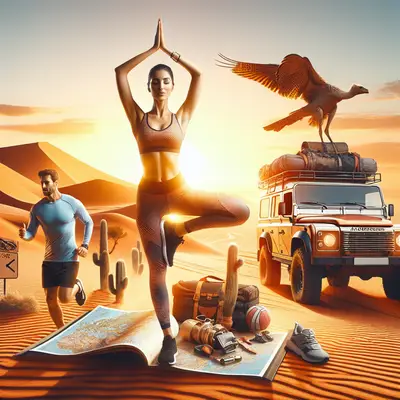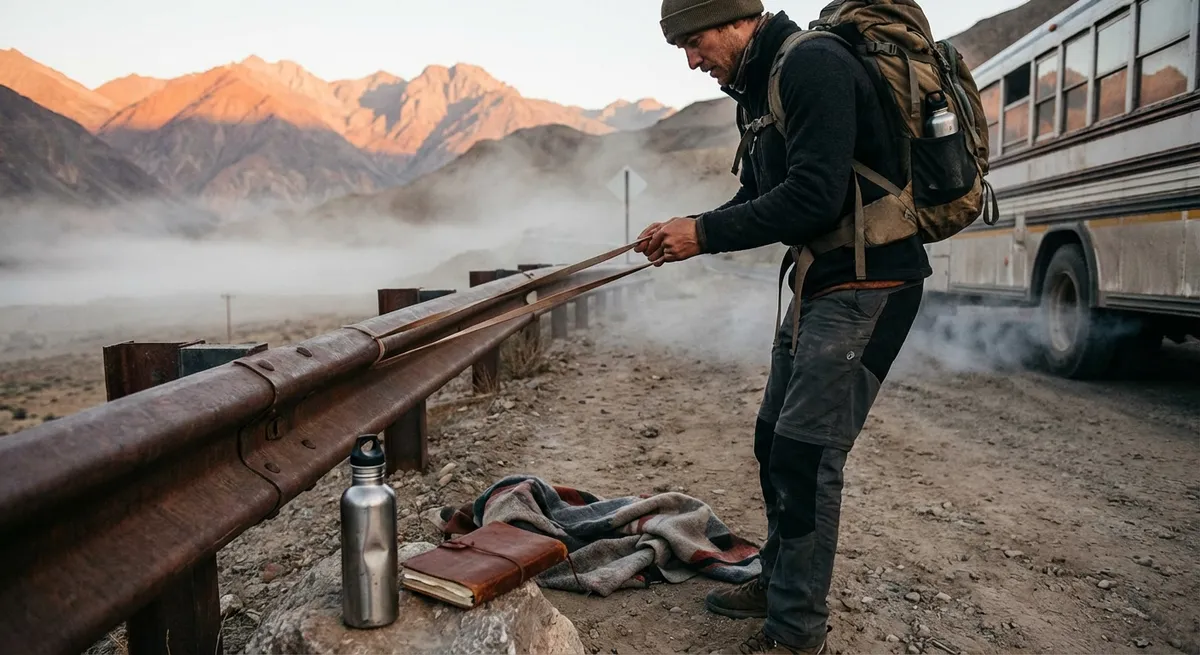
You don’t need a home gym, a regular schedule, or a perfect kitchen to be healthy on the road. You just need a routine that moves with you. Nomad health isn’t about perfection; it’s about building adventure-proof habits that still work when you’re on a 12‑hour bus ride, sleeping in a hostel, or hopping between time zones.
This guide is your portable playbook: five fitness tips you can throw into a backpack and deploy on beaches, in bus stations, at airports, or between client calls.
Anchor Your Day With a “Non‑Negotiable 10”
When you’re traveling, your schedule belongs to flight times, check‑in windows, and sudden detours. A full 60‑minute workout can vanish under a delayed train. That’s where the “Non‑Negotiable 10” comes in: a 10‑minute movement block you do every single day, no matter what.
Choose a simple circuit that needs zero equipment and can be done in a corner of a hostel, a quiet park, or even an airport gate:
- 1 minute bodyweight squats
- 1 minute push-ups (standard, incline, or knee)
- 1 minute reverse lunges
- 1 minute plank
- 1 minute glute bridge
- Rest 1 minute, then repeat once
The goal is not max performance—it’s consistency. Those 10 minutes keep your joints from stiffening after long journeys, maintain baseline strength, and protect your nervous system from the “all or nothing” trap. If a day opens up and you feel great, expand it into 20–30 minutes. If not, you still kept the chain unbroken.
By locking in a short, daily ritual, you sidestep decision fatigue. You don’t bargain with yourself; you just do your Non‑Negotiable 10 and move on with your day.
Turn Transit Time Into Movement Time
Travel tries to turn you into a statue—hours in buses, planes, and trains. That’s where you sneak in micro‑workouts and mobility “snacks” to keep your body semi‑wild instead of desk‑bound.
Here’s how to retrofit movement into transit:
- Airport & stations
- Walk the terminal instead of sitting at the gate—set a step goal before boarding.
- Use railings or sturdy benches for incline push-ups and supported squats in quiet corners.
- Do standing calf raises while you wait in line.
- On planes & trains
- Every 60–90 minutes, stand up for a short aisle walk.
- In your seat:
- Ankle circles and pumps to help blood flow.
- Seated spinal twists to offset slouching.
- Isometric contractions: squeeze glutes, quads, and abs for 5–10 seconds at a time.
- Road trips
- Build in “movement stops,” not just bathroom stops.
- At each stop: 10 squats, 10 hip circles, 10 arm circles, a 2‑minute walk.
These micro-sessions don’t look heroic, but they reduce stiffness, help circulation, and make it more likely you’ll actually tackle a longer session when you land. Think of them as maintenance on your “adventure vehicle” (your body) while you’re en route to the next story.
Build a Minimalist Strength Toolkit Using Only Your Body & Backpack
When your life needs to fit into a carry-on, your training gear has to be equally ruthless. The good news: you already travel with almost everything you need.
Base your strength work on movements that scale just by adjusting leverage, speed, or range of motion. Use your backpack, doorframes, park benches, and stairs as your “gym infrastructure.”
A simple, portable strength template:
- Lower body
- Squats (air squats, split squats, Bulgarian split squats using a bed or bench)
- Backpack-loaded squats or lunges
- Single-leg Romanian deadlifts holding your backpack or daypack
- Upper body
- Push-ups (elevate hands on a bench if needed, or feet for more difficulty)
- Backpack rows (hinge forward, pull the backpack to your ribs)
- Chair or bench dips for triceps
- Core
- Planks (front and side)
- Dead bugs or hollow holds on the floor
- Backpack carries: hold your pack in one hand and walk for time (great for grip and core)
Pick 4–6 movements and cycle them 2–4 times, depending on time and energy. Keep reps in the 8–15 range for most sets. This gives you strength, joint resilience, and stamina without needing a single piece of dedicated fitness equipment.
The key: don’t chase perfection in form of “gym-style” programming. Chase repeatable sessions that match your sleep, stress, and travel load for that week.
Sync Your Workouts With the Landscape You’re In
One of the biggest advantages of being a traveler is the world becomes your training playground. Instead of forcing a rigid plan into every location, design your movement around what the environment offers.
Examples:
- Coastal towns or islands
- Beach jogs or barefoot walks on firm sand
- Ocean swims and body-surfing for low-impact conditioning
- Stair sprints up sea walls, piers, or hillside paths
- Mountain or rural areas
- Hiking as your primary cardio and leg training
- Hill intervals: brisk walk or run up, walk down to recover
- Rock step-ups on stable boulders or benches
- Cities
- Stair workouts in metro stations or apartment buildings
- Brisk “commuter walks” between coworking, cafes, and your stay
- Park-based circuits: benches for push-ups, dips, step-ups, and box jumps (if you’re experienced)
Aligning your training with your environment reduces friction: you’re not hunting for a gym, you’re using what’s already there. It also keeps your workouts interesting and rooted in the places you visit, turning exercise into exploration instead of an obligation.
Protect Your Sleep So Your Body Can Handle the Adventure
Nomad life is a grind when you’re running on fumes. Sleep matters as much as any workout, especially with jet lag, new beds, noise, and changing climates constantly tossing your nervous system around.
Travel-friendly sleep tactics:
- Set a “wind-down window”
Even if your hours shift, aim for a 30–60 minute pre-sleep routine: dim lights, off screens (or blue-light filters), a book or podcast, and light stretching.
- Create a portable sleep kit
Eye mask, earplugs, and maybe a small travel pillow can dramatically improve your odds in hostels, overnight buses, and noisy city apartments.
- Control caffeine and late meals when you can
Keep caffeine earlier in your day, especially when crossing time zones. Try to avoid heavy, high-fat meals right before bed, which can disrupt sleep.
- Chase daylight, not just Wi‑Fi
Get direct sunlight in your eyes (without sunglasses, when safe) in the first few hours of your local morning. This helps your circadian rhythm adjust more quickly when you change time zones.
Sleep is the invisible training partner behind your energy, mood, and recovery. With reasonable sleep habits, those short workouts hit harder, and long travel days don’t flatten you quite as much.
Conclusion
You don’t need a fixed address, a monthly membership, or a suitcase full of gear to stay strong on the road. You need a few rules that travel well:
- A daily Non‑Negotiable 10 to anchor your routine
- Micro-movements during transit to fight stiffness
- Bodyweight and backpack strength sessions you can set up anywhere
- Workouts that sync with whatever landscape you’ve landed in
- Sleep habits that keep your brain and body adventure-ready
Nomad health is not about living like a full-time athlete; it’s about being fit enough to say yes when the unexpected shows up. Keep it light, keep it portable, and keep moving—your passport doesn’t have to be the only thing getting stamped.
Sources
- [Centers for Disease Control and Prevention – Physical Activity Guidelines](https://www.cdc.gov/physicalactivity/basics/index.htm) – Overview of recommended activity levels for adults and why consistent movement matters
- [World Health Organization – Physical Activity](https://www.who.int/news-room/fact-sheets/detail/physical-activity) – Global guidance on physical activity for health, including benefits and key recommendations
- [Harvard T.H. Chan School of Public Health – Sleep and Health](https://www.hsph.harvard.edu/nutritionsource/sleep/) – Explains the impact of sleep on performance, health, and daily functioning
- [National Institutes of Health – Coping With Jet Lag](https://www.ncbi.nlm.nih.gov/books/NBK234936/) – Evidence-based overview of jet lag, circadian rhythm, and practical adjustment strategies
- [American Council on Exercise – Benefits of Walking Workouts](https://www.acefitness.org/education-and-resources/lifestyle/blog/6644/why-walking-is-still-one-of-the-best-exercises-you-can-do/) – Details how simple walking can be used effectively for fitness, especially while traveling
Key Takeaway
The most important thing to remember from this article is that this information can change how you think about Nomad Health.